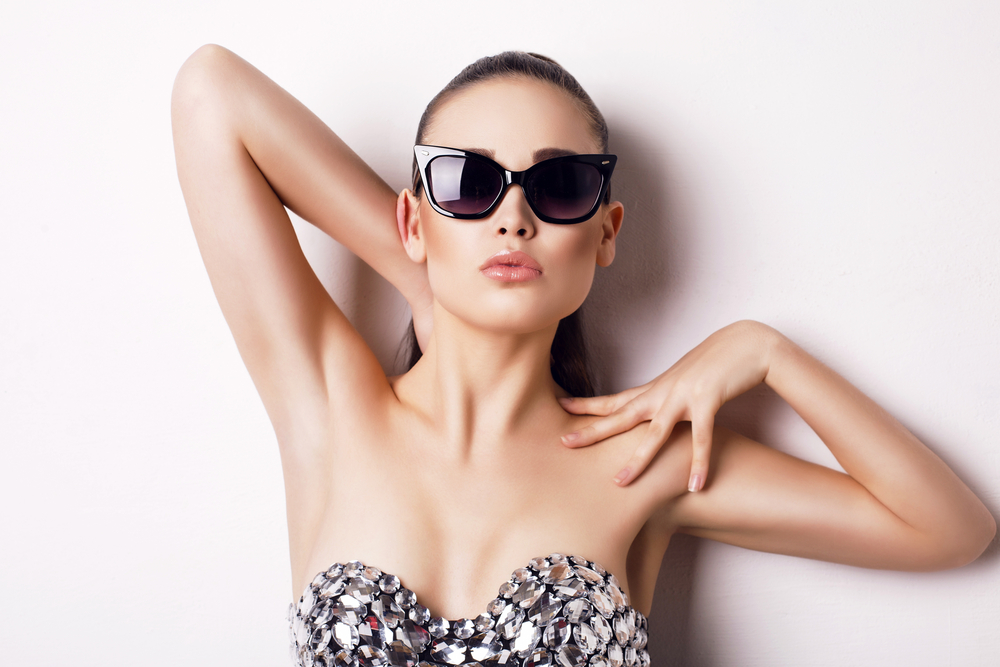
Modeling is an intricate art form that requires much more than just standing in front of a camera. It is a dance between the photographer's vision and the model's ability to bring that vision to life. A successful photoshoot relies heavily on the model's poses, as they can make or break the resulting images. In this guide, we will explore the art and science of mastering modeling poses, providing you with tips and techniques to create stunning photoshoots.
Understanding the Importance of Modeling Poses
modeling (by models) poses are not simply about striking a nice pose; they are an expression of the model's emotions, character, and style. Each pose conveys a different story, evoking a range of emotions in the viewer. A well-executed pose has the power to captivate the viewer, create a connection, and bring life to the photographs.
Understanding the importance of modeling poses is crucial for both aspiring and experienced models. It sets the foundation for creating impactful and memorable images, distinguishing one from the rest. Let's delve into the art of modelling (or modeling) poses and how to master them.
Mastering the Basics: Body Language and Posture
Before diving into more complex poses, it's essential to master the basics – body language and posture. Body language speaks volumes, conveying confidence, poise, and allure. Start by learning how to stand tall, with your shoulders back, and your head held high. Avoid slouching or hunching over, as it can make the model appear uninterested or lackadaisical.
Furthermore, pay attention to your arms and hands. Explore different poses to create variety and avoid stiffness. Softly bend your elbows, let your fingers extend gracefully, or gently place your hands on your hips or face for added elegance.
Facial Expressions: The Window to the Soul
While body language and posture are crucial, facial expressions play a pivotal role in modelling poses. Your face is the window to your soul, and it can convey a multitude of emotions. Experiment with different expressions to find what suits the mood of the photoshoot and the desired narrative.
Practice in front of a mirror to familiarize yourself with your facial features and expressions. From a smoldering gaze to a playful smile, each expression has a unique impact on the overall image. Remember to keep your face relaxed and breathe naturally to avoid awkward or forced expressions.
Pose Variations: Creating Depth and Dynamism
Variety is key when it comes to modeling (or modelling) poses. A series of similar poses can lead to monotonous and uninteresting images. Embrace diversity by exploring different angles, postures, and movements.
For instance, try crossing one leg over the other to create an asymmetrical composition. Angle your body towards the camera at various degrees for different perspectives. Experiment with dynamic poses, such as walking, jumping, or twirling, to infuse energy and movement into the images. Remember, the key is to convey a story through your poses.
Pose Inspiration: Study, Observe, and Practice
Modeling is an art that requires constant inspiration and practice. To master modeling poses, immerse yourself in the world of fashion and photography. Study famous models and photographers, observing their poses, expressions, and creative approaches.
Utilize online resources, such as fashion magazines, photography blogs, and social media platforms, for inspiration and guidance. Create your own mood boards or Pinterest boards filled with poses that resonate with your style and vision. Regularly practice in front of a mirror or with a photographer to fine-tune your poses and discover what works best for you.
FAQs
Q1: How do I overcome feeling self-conscious during a photoshoot?
A1: Feeling self-conscious is natural, especially when you first start modeling. Remember to focus on the story you're trying to tell through your poses. A strong narrative can boost your confidence and minimize any apprehension.
Q2: What are some tips for posing in a group photoshoot?
A2: Group photoshoots require coordination and collaboration. Communicate with the other models to ensure cohesive poses. Pay attention to spacing, angles, and body language, creating a harmonious composition. Practice together beforehand to build rapport and establish a shared vision.
Q3: How can I create a connection with the camera?
A3: Building a connection with the camera takes practice. Start by maintaining eye contact with the lens, treating it as your audience. Experiment with different focal points to create a sense of intimacy. Relax your face and allow your expressions to flow naturally, reflecting your emotions and character.
Q4: How can I make my poses appear more natural?
A4: Natural poses come with experience and confidence. Avoid rigid or tense positions. Relax your body and limbs, allowing them to flow naturally. Incorporate movement and variety into your poses, and always maintain good posture. The key is to find a balance between structure and fluidity.
Q5: What can I do if I run out of pose ideas?
A5: Running out of pose ideas can happen, even to experienced models. In such situations, take a break and observe your surroundings. Look for inspiration in the environment, whether it's a unique landscape, architecture, or colors. Utilize props or accessories to enhance your poses, and remember to experiment and have fun!
Other useful resources
- https://www.planetmodelphoto.com
- https://en.wikipedia.org/wiki/Modeling_agency
- https://en.wikipedia.org/wiki/Category:Models_by_modeling_agency